Inda Local Thana More, Kharagpur

High Cholesterol: Signs, Risks & Recommended Tests
High cholesterol is often called a “silent threat” because it usually develops without any noticeable symptoms. Many people are unaware that their cholesterol levels are increasing until they experience serious health complications such as heart disease, stroke, or blocked arteries.
This is why regular cholesterol screening is important. A simple lipid profile test can provide valuable information about your cholesterol levels and help identify your risk of cardiovascular diseases at an early stage.
Understanding the signs, risks, and recommended tests for high cholesterol can help you take proactive steps toward protecting your heart health.
What Is Cholesterol?
Cholesterol is a fatty substance found in the blood that is essential for building healthy cells and producing certain hormones. However, excess bad cholesterol can accumulate in the blood vessels, restricting blood flow and increasing the risk of heart-related problems.
There are different types of cholesterol:
- LDL (Low-Density Lipoprotein): Known as “bad cholesterol,” high levels can lead to plaque buildup in arteries.
- HDL (High-Density Lipoprotein): Known as “good cholesterol,” it helps remove excess cholesterol from the bloodstream.
- Triglycerides: A type of fat in the blood that can also increase the risk of heart disease when elevated.
Maintaining a healthy balance of these components is important for long-term cardiovascular wellness.
Signs and Symptoms of High Cholesterol
One of the biggest challenges with high cholesterol is that it usually does not produce obvious symptoms.
However, untreated high cholesterol may eventually contribute to conditions that cause warning signs such as:
- Chest pain
- Shortness of breath
- Fatigue during physical activity
- Pain or numbness in the limbs due to reduced blood circulation
Because symptoms often appear only after complications develop, preventive testing is the best approach.
Why Is High Cholesterol Dangerous?
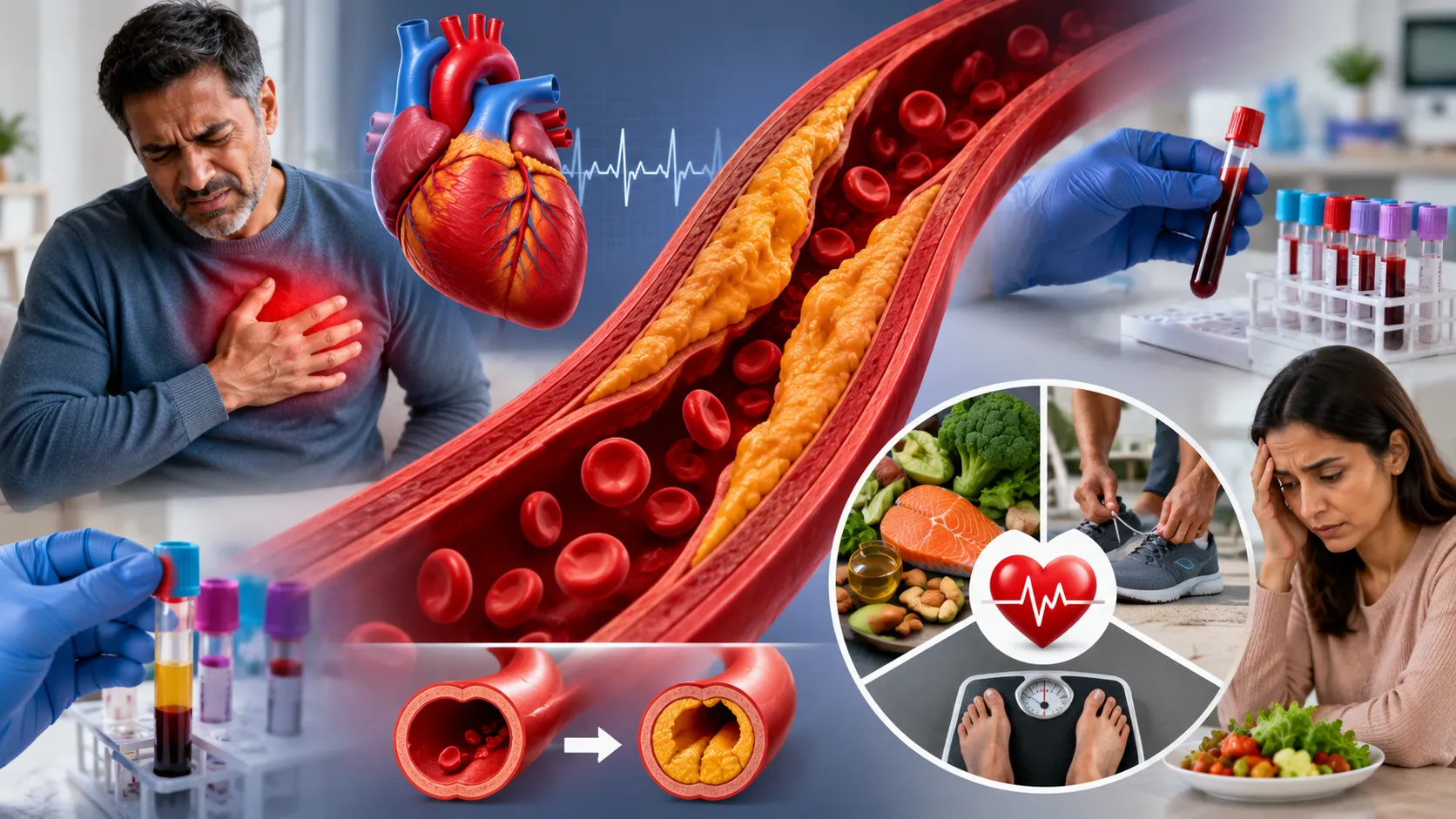
High cholesterol can cause fatty deposits to build up inside the arteries, a condition known as atherosclerosis.
Over time, narrowed arteries can reduce oxygen-rich blood flow to vital organs and increase the risk of:
- Heart attack
- Stroke
- High blood pressure
- Peripheral artery disease
People with diabetes, obesity, a family history of heart disease, smoking habits, or a sedentary lifestyle are at greater risk.
Regular heart health screening helps detect risk factors early and allows timely medical intervention.
What Is a Lipid Profile Test?
A lipid profile test is a blood test that measures different types of fats in your bloodstream, including:
- Total cholesterol
- LDL cholesterol
- HDL cholesterol
- Triglycerides
Doctors commonly recommend a lipid profile as part of routine health assessments and preventive care.
The test helps evaluate your heart disease risk and provides guidance for lifestyle changes or treatment if needed.
Who Should Get a Cholesterol Test?
A cholesterol test is recommended for:
- Adults above 20 years as part of regular health screening
- Individuals with a family history of high cholesterol or heart disease
- People with diabetes or high blood pressure
- Individuals who are overweight or physically inactive
- Smokers
- People following unhealthy dietary habits
Many individuals search online for a cholesterol test near me when they experience health concerns or want to monitor their cardiovascular health.
Regular testing, even without symptoms, can help prevent future complications.
Importance of Preventive Cardiac Checkup
A preventive cardiac checkup plays an important role in detecting hidden cardiovascular risks before they become serious.
A complete cardiac health assessment may include:
- Lipid profile test
- Blood pressure monitoring
- Blood sugar testing
- ECG (Electrocardiogram)
- Other doctor-recommended investigations
Early identification of risk factors helps individuals adopt healthier lifestyles and receive timely treatment when required.
How to Maintain Healthy Cholesterol Levels
Along with regular testing, lifestyle modifications can significantly improve cholesterol levels.
Follow these healthy habits:
- Eat a balanced diet rich in fruits, vegetables, and whole grains
- Limit processed and high-fat foods
- Exercise regularly
- Maintain a healthy body weight
- Avoid smoking and excessive alcohol consumption
- Manage stress effectively
Combining these habits with routine heart health screening can greatly reduce your risk of cardiovascular disease.
When Should You Consider a Lipid Profile Test?
You should consider a lipid profile test if you:
- Have a family history of heart disease
- Have diabetes or high blood pressure
- Are overweight
- Lead a sedentary lifestyle
- Are above 20 years of age and have never been screened
- Want to monitor your overall heart health
Regular monitoring helps you stay aware of your cholesterol status and take corrective actions early.
Conclusion
High cholesterol may not show symptoms in the early stages, but its effects can be serious if ignored. A simple lipid profile test can help identify cholesterol abnormalities early and protect you from future cardiovascular complications.
Whether you are searching for a cholesterol test near me or considering a preventive cardiac checkup, timely screening is a smart investment in your long-term health.
Prioritize regular heart health checks, maintain a healthy lifestyle, and take proactive steps toward a stronger heart.
Frequently Asked Questions (FAQs)
1. What is a lipid profile test used for?
A lipid profile test measures cholesterol and triglyceride levels to assess your risk of heart disease and other cardiovascular conditions.
2. How often should I get a cholesterol test?
Most adults should undergo regular cholesterol screening as advised by their doctor, especially if they have risk factors like diabetes, obesity, or a family history of heart disease.
3. Is fasting required before a lipid profile test?
Your doctor may recommend fasting before a lipid profile test depending on your health condition and the type of test being performed.
4. Can high cholesterol be controlled without medicine?
In many cases, healthy eating, regular exercise, weight management, and avoiding smoking can help improve cholesterol levels. Some individuals may also require medication.
5. Where can I get a cholesterol test near me?
You can visit a trusted diagnostic centre or pathology laboratory offering accurate lipid profile testing and preventive health services.