Inda Local Thana More, Kharagpur

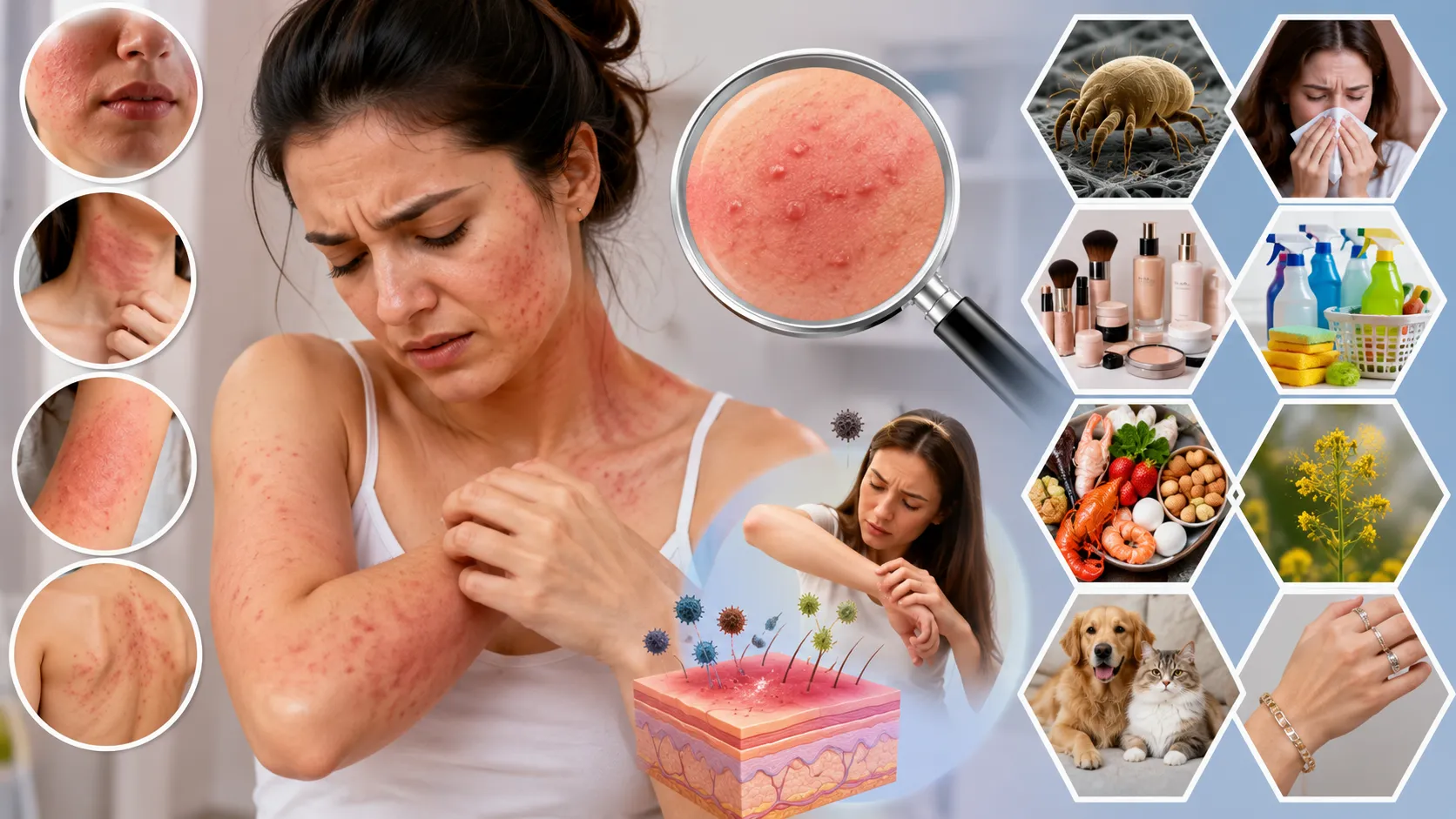
Persistent Skin Allergy Warning Signs: When Should You See a Dermatologist?
Skin allergies are among the most common skin conditions affecting people of all ages. While many allergies disappear within a few days, some continue to return or worsen over time. Persistent itching, redness, rashes, or swelling should never be ignored because they may indicate an underlying skin condition that requires medical attention.
Understanding the warning signs of a Skin Allergy and seeking timely treatment can prevent complications, reduce discomfort, and improve your overall skin health.
What Is a Skin Allergy?
A skin allergy occurs when your immune system reacts to a substance that is normally harmless. This reaction can be triggered by:
- Dust and pollen
- Certain foods
- Cosmetics and skincare products
- Medicines
- Insect bites
- Pet dander
- Metals like nickel
- Detergents and chemicals
The severity of symptoms varies from person to person. Some experience mild irritation, while others develop severe allergic reactions that need immediate medical care.
Common Skin Allergy Symptoms
Recognizing skin allergy symptoms early helps prevent the condition from becoming more serious.
Common symptoms include:
- Persistent itching
- Redness
- Skin rashes
- Swelling
- Dry or flaky skin
- Burning sensation
- Small bumps or blisters
- Hives (raised itchy patches)
If these symptoms continue for more than a few days or repeatedly return, consulting a dermatologist is highly recommended.
Warning Signs You Should Not Ignore
Many people try home remedies or over-the-counter creams for recurring skin problems. However, professional evaluation becomes important when you notice:
Persistent Itching
Continuous itching without a clear cause may indicate eczema, dermatitis, fungal infection, or chronic allergies.
Recurrent Skin Rashes
If rashes keep coming back even after treatment, they require proper diagnosis to identify the underlying trigger.
Swelling and Redness
Persistent swelling around the face, neck, hands, or other body parts may signal an allergic reaction that requires medical attention.
Skin Infection
Constant scratching can damage the skin barrier, allowing bacteria to enter and cause infection.
Signs of infection include:
- Pus formation
- Increased pain
- Fever
- Warm skin around the affected area
These symptoms should never be ignored.
Why Early Diagnosis Is Important
Early diagnosis helps identify the exact cause of the allergy and prevents unnecessary suffering.
A dermatologist may evaluate:
- Allergy history
- Skin examination
- Possible environmental triggers
- Underlying medical conditions
Prompt treatment often leads to faster recovery and reduces the chances of long-term skin damage.
When Should You Visit a Dermatologist?
You should consult a dermatologist if:
- Skin allergy symptoms last more than one week
- Rashes repeatedly return
- Home remedies do not provide relief
- Symptoms interfere with sleep or daily activities
- Skin becomes infected
- Swelling spreads rapidly
If you are searching for the best dermatologist in Kharagpur or the best dermatologist near me, choosing an experienced skin specialist can help you receive an accurate diagnosis and an effective treatment plan.
Treatment Options for Skin Allergies
Treatment depends on the underlying cause and severity of the allergy.
Common treatment options include:
- Prescription medications
- Anti-allergy medicines
- Medicated creams
- Moisturizers
- Lifestyle modifications
- Trigger avoidance
A qualified Skin Allergy specialist in Kharagpur can recommend the most appropriate treatment after evaluating your condition.
Comprehensive Skin Care Beyond Allergies
Dermatologists also treat several other skin and hair concerns that affect confidence and quality of life.
These may include:
Acne Scar Treatment
Modern Acne Scar Treatment in Kharagpur includes advanced procedures that help improve skin texture and reduce visible scars.
Hair Fall Treatment
Persistent hair loss may be related to nutritional deficiencies, hormonal imbalance, stress, or scalp disorders. Professional hair fall treatment helps identify the root cause and supports healthy hair growth.
GFC Therapy
People experiencing hair thinning often search for GFC Therapy near me. Growth Factor Concentrate (GFC) Therapy is a modern regenerative treatment that may help stimulate hair follicles and improve hair density when recommended by a dermatologist.
Tips to Prevent Skin Allergies
Although not every allergy can be prevented, these habits may reduce your risk:
- Keep your skin moisturized
- Avoid known allergens
- Use mild skincare products
- Wear protective clothing when necessary
- Stay hydrated
- Maintain good personal hygiene
- Avoid scratching affected areas
Early medical consultation is always better than delaying treatment until symptoms become severe.
Conclusion
A persistent Skin Allergy is more than just temporary itching or redness. It may indicate an underlying skin condition that requires proper diagnosis and treatment.
If you notice recurring skin allergy symptoms, frequent rashes, swelling, or ongoing irritation, do not ignore them. Consulting an experienced dermatologist can help identify the cause, provide effective treatment, and prevent future complications.
Healthy skin starts with early diagnosis, proper care, and timely medical attention.
Frequently Asked Questions (FAQs)
When should I see a doctor for a skin allergy?
You should consult a doctor if symptoms persist for more than a week, repeatedly return, or worsen despite home treatment.
Can skin allergies go away on their own?
Mild allergies may improve after avoiding the trigger, but persistent or severe allergies require medical evaluation.
Who should I consult for recurring skin allergies?
A qualified dermatologist or skin allergy specialist can diagnose the underlying cause and recommend appropriate treatment.
Can skin allergies cause hair fall?
Certain scalp allergies and inflammatory skin conditions may contribute to hair fall. A dermatologist can identify the exact cause.
Is allergy testing necessary for every skin allergy?
Not always. Your dermatologist will recommend allergy testing only when it is needed to identify the trigger.