Inda Local Thana More, Kharagpur

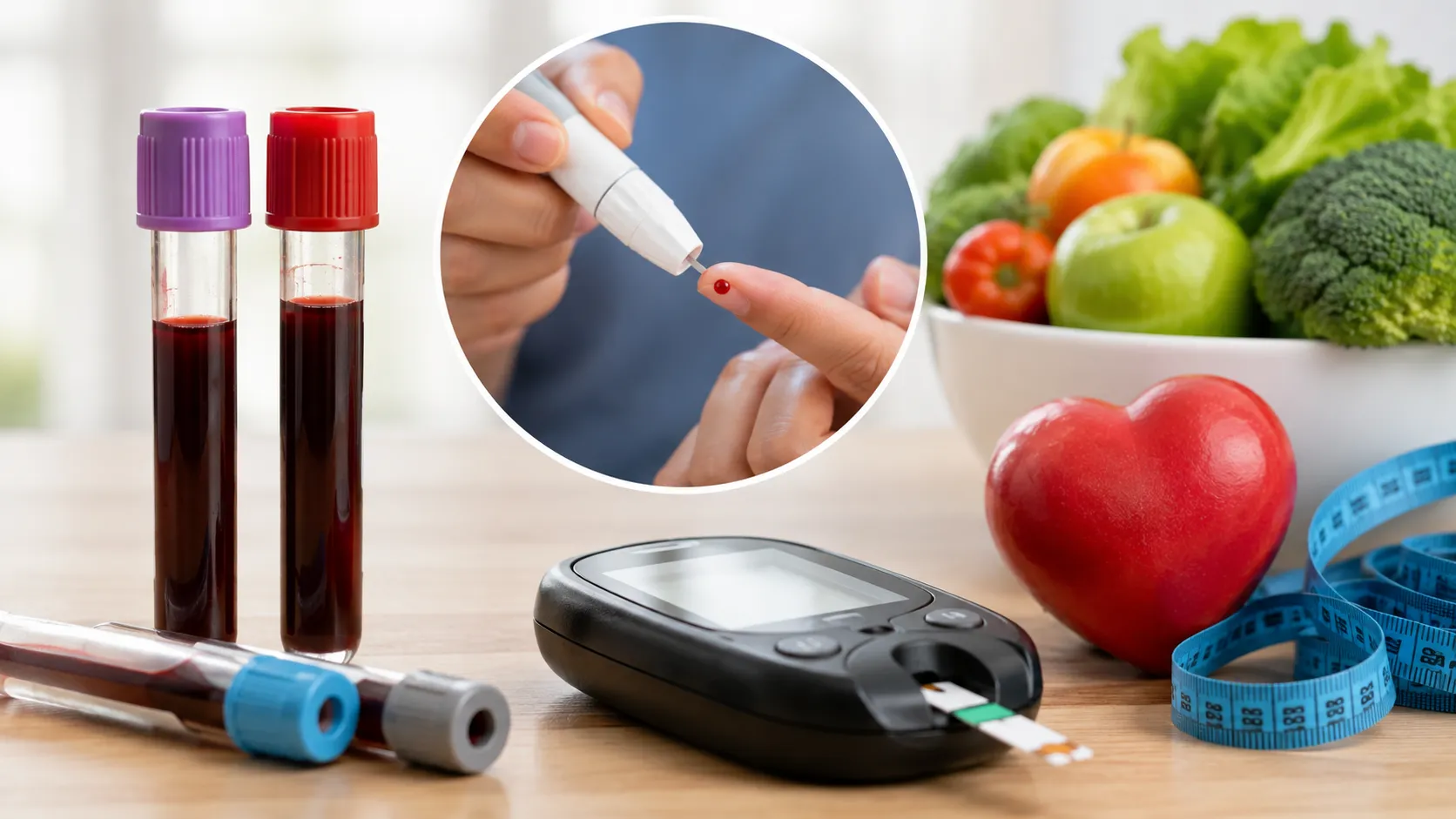
HbA1c vs Fasting Blood Sugar: Which Test Tells You More About Diabetes Risk?
Diabetes does not always begin with obvious symptoms. Blood sugar can remain higher than normal for months before frequent thirst, increased urination, unexplained weight loss, tiredness, or blurred vision become noticeable. That is why blood tests play such an important role in detecting diabetes and prediabetes.
Two commonly used tests are the HbA1c test and fasting blood sugar test. Both measure something related to your blood glucose, but they tell you different things.
So, if you’re considering an HbA1c test in Kharagpur, should you choose it over fasting blood sugar? Let’s understand the difference.
What Is an HbA1c Test?
An HbA1c test measures the percentage of haemoglobin in your blood that has glucose attached to it. Because red blood cells generally live for around three months, HbA1c gives an indication of your average blood sugar level over roughly the previous 2–3 months.
One major advantage is convenience. You generally do not need to fast before an HbA1c test.
For people concerned about diabetes risk, this longer-term picture can reveal something that a single blood glucose reading may not.
What Is a Fasting Blood Sugar Test?
A fasting blood sugar test measures your blood glucose at one particular point in time.
For this test, you normally need to avoid food and caloric drinks for at least eight hours before the blood sample is collected. Water is generally allowed.
The test provides useful information about how well your body is regulating glucose after a period without food.
However, your glucose level can be influenced by factors such as illness, stress, medications, recent activity and changes in your routine. This is one reason doctors may use more than one test when assessing diabetes risk.
HbA1c vs Fasting Blood Sugar: What’s the Main Difference?
The easiest way to understand the difference is this:
Fasting blood sugar is a snapshot. HbA1c gives a longer-term picture.
A fasting test tells you what your glucose level is at the time your blood is collected after fasting. HbA1c reflects your average glucose exposure over the previous few months.
For diabetes screening, either test may be used depending on the individual. In some situations, a healthcare professional may recommend both.
What Do Your Test Results Mean?
For most non-pregnant adults, commonly used diagnostic ranges are:
| Test | Normal | Prediabetes | Diabetes* |
|---|---|---|---|
| HbA1c | Below 5.7% | 5.7–6.4% | 6.5% or above |
| Fasting Blood Sugar | Below 100 mg/dL | 100–125 mg/dL | 126 mg/dL or above |
*A diabetes diagnosis usually requires appropriate clinical assessment and, when there are no clear symptoms, confirmation with repeat or additional testing.
Results should not be interpreted in isolation. Certain medical conditions can also affect the accuracy of HbA1c, so your doctor may recommend another diabetes blood test when appropriate.
HbA1c Test or Fasting Blood Sugar: Which Is Better for Diabetes Screening?
If you’re searching HbA1c test or fasting blood sugar which is better for diabetes screening, there isn’t a single answer that applies to everyone.
HbA1c has some practical advantages:
- No overnight fasting is usually required
- Reflects longer-term blood glucose
- Less affected by short-term daily glucose fluctuations
- Useful for monitoring diabetes over time
A fasting blood sugar test also remains valuable because it directly measures your glucose level after fasting and is widely used for diabetes and prediabetes screening.
Rather than thinking of one as universally better, consider them as different tools that provide different information.
Who Should Consider Diabetes Screening?
You may want to discuss diabetes testing with your healthcare provider if you have risk factors such as:
- Family history of diabetes
- Being overweight or obese
- High blood pressure
- Previous gestational diabetes
- Polycystic ovary syndrome
- Low physical activity
- Previous borderline blood sugar results
You should also seek medical advice if you develop persistent symptoms such as excessive thirst, frequent urination, unexplained weight loss, blurred vision or unusual fatigue.
Why Regular Blood Sugar Monitoring Matters
Diabetes can gradually affect the heart, kidneys, eyes, nerves and blood vessels when blood glucose remains uncontrolled.
Regular blood sugar monitoring can help detect changes earlier and show whether lifestyle changes or treatment are keeping glucose within the recommended range.
An abnormal result does not automatically tell you the entire story. What matters is interpreting it alongside your medical history, symptoms, risk factors and other investigations.
Looking for an HbA1c Test in Kharagpur?
If you have a family history of diabetes, previously elevated blood sugar, or other risk factors, an HbA1c test in Kharagpur can provide useful information about your average blood glucose over the past few months.
Your healthcare provider can help determine whether you need HbA1c, fasting glucose, or another diabetes blood test based on your individual situation.
Conclusion
Both HbA1c and fasting blood sugar are useful tests, but they answer slightly different questions.
A fasting blood sugar test provides a snapshot of your glucose after fasting, while HbA1c provides a broader view of average blood glucose over approximately 2–3 months.
If you are concerned about your diabetes risk, don’t choose a test based only on convenience. Speak with a healthcare professional about which test, or combination of tests, is appropriate for you.
Frequently Asked Questions
Do I need to fast before an HbA1c test?
No. Fasting is generally not required for an HbA1c test, which makes it convenient for routine diabetes screening and monitoring.
Is HbA1c more accurate than fasting blood sugar?
They measure different aspects of blood glucose. HbA1c reflects longer-term glucose exposure, while fasting blood sugar measures glucose at a specific time after fasting.
What HbA1c level indicates diabetes?
An HbA1c of 6.5% or higher is within the diabetes diagnostic range. If you do not have clear symptoms, diagnosis usually requires confirmation by repeat or additional testing.
Can fasting blood sugar be normal but HbA1c be high?
Yes. Because the tests measure different aspects of glucose control, their results can sometimes differ. A healthcare professional can determine whether further testing is needed.
How often should HbA1c be tested?
The frequency depends on whether you are being screened for diabetes or already have diabetes, as well as your treatment and previous results. Your healthcare provider can recommend an appropriate schedule.