Inda Local Thana More, Kharagpur

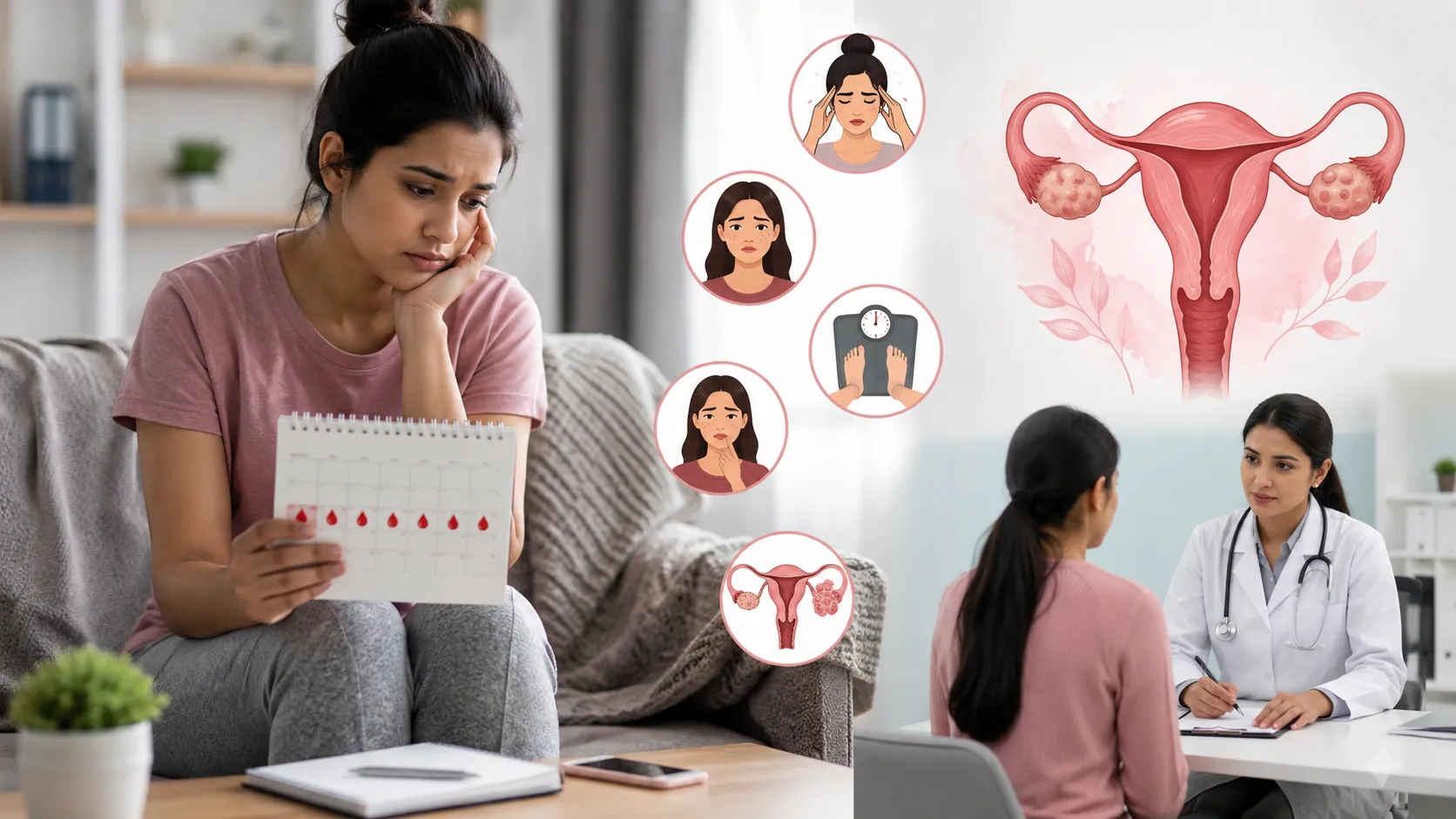
Irregular Periods: Causes, Signs & When to See a Doctor
Many women experience changes in their menstrual cycle at some point in their lives. Occasionally having an early or late period is usually not a cause for concern. However, if your periods are consistently irregular, unusually heavy, or absent for several months, it may be a sign of an underlying health condition that needs medical attention.
Irregular Periods can affect women of all ages and may be linked to hormonal imbalances, stress, lifestyle changes, or conditions such as Polycystic Ovary Syndrome (PCOS). Understanding the warning signs can help you seek timely treatment and protect your long-term reproductive health.
In this article, we’ll discuss the common causes of irregular periods, when to consult a doctor, and how early diagnosis can improve your overall well-being.
What Are Irregular Periods?
A normal menstrual cycle usually occurs every 21 to 35 days and lasts between 2 to 7 days.
You may have Irregular Periods if:
- Your cycle is shorter than 21 days.
- Your cycle is longer than 35 days.
- You frequently skip periods.
- Your bleeding is unusually heavy or very light.
- Your cycle changes significantly every month.
Occasional changes can be normal, but persistent menstrual cycle irregularities should be evaluated by a healthcare professional.
Common Causes of Irregular Periods
Several factors can affect your menstrual cycle.
1. Hormonal Imbalances
Hormones regulate your menstrual cycle. Any imbalance in estrogen, progesterone, thyroid hormones, or prolactin can disrupt regular periods.
2. PCOS (Polycystic Ovary Syndrome)
One of the most common causes of Irregular Periods is PCOS.
Common PCOS symptoms include:
- Irregular or missed periods
- Excess facial or body hair
- Acne
- Weight gain
- Difficulty getting pregnant
- Oily skin
Early diagnosis helps reduce the risk of fertility problems and other long-term health complications.
3. Stress
Physical and emotional stress can interfere with hormone production, causing delayed or missed periods.
4. Sudden Weight Changes
Rapid weight loss, obesity, or eating disorders may affect ovulation and lead to menstrual cycle irregularities.
5. Thyroid Disorders
Both hypothyroidism and hyperthyroidism can influence hormone levels and cause irregular menstrual cycles.
6. Perimenopause
Women approaching menopause often experience changes in cycle length and flow due to natural hormonal fluctuations.
Signs You Should See a Doctor
While occasional cycle changes may not require treatment, you should seek medical advice if you experience:
- Missing periods for more than three months
- Periods occurring less than 21 days or more than 35 days apart
- Very heavy bleeding
- Bleeding lasting longer than seven days
- Severe pelvic pain
- Bleeding between periods
- Difficulty becoming pregnant
- Repeated menstrual cycle irregularities
Early evaluation helps identify the underlying cause and prevents future complications.
How Are Irregular Periods Diagnosed?
Your doctor will begin with a detailed medical history and physical examination.
Depending on your symptoms, additional investigations may include:
- Blood tests to check hormone levels
- Thyroid function tests
- Blood sugar testing
- Pregnancy test
- Pelvic ultrasound
- PCOS evaluation
Accurate diagnosis allows for personalized treatment based on the underlying cause.
Treatment Options
Treatment depends on why your periods are irregular.
Your doctor may recommend:
- Lifestyle modifications
- Weight management
- Hormonal medications
- Treatment for thyroid disorders
- Management of PCOS symptoms
- Nutritional counseling
- Stress management
The goal is to restore a healthy menstrual cycle while addressing the underlying medical condition.
Tips to Maintain a Healthy Menstrual Cycle
Healthy daily habits can help support hormonal balance.
- Eat a balanced diet.
- Maintain a healthy body weight.
- Exercise regularly.
- Manage stress through relaxation techniques.
- Get adequate sleep.
- Avoid smoking and excessive alcohol.
- Schedule regular Women’s Health Checkup appointments.
Preventive care can help detect reproductive health problems before they become more serious.
When Should You Visit a Gynecologist?
Don’t ignore persistent menstrual changes.
You should consult a Gynecologist in Kharagpur if:
- Your periods remain irregular for several months.
- You experience severe pain or heavy bleeding.
- You notice symptoms of PCOS.
- You are planning pregnancy but have irregular cycles.
- Your periods stop unexpectedly.
If you’ve been searching for the Best Gynecologist Near Me, seeking medical advice early can help prevent complications and improve your reproductive health.
Conclusion
While occasional menstrual changes are common, persistent Irregular Periods should never be ignored. They may be a sign of hormonal imbalance, thyroid disease, or PCOS symptoms that require medical attention.
Early diagnosis and appropriate treatment can improve menstrual health, fertility, and overall well-being. If your menstrual cycle has become unpredictable or you have concerning symptoms, schedule a consultation with a qualified gynecologist. Taking action early is the best way to protect your reproductive health.
Frequently Asked Questions (FAQs)
What are considered irregular periods?
Periods are considered irregular if they occur less than 21 days or more than 35 days apart, are frequently missed, or vary significantly from month to month.
Can stress cause irregular periods?
Yes. Physical and emotional stress can disrupt hormone levels, leading to delayed or missed periods.
Are irregular periods always caused by PCOS?
No. While PCOS is a common cause, irregular periods can also result from thyroid disorders, weight changes, stress, pregnancy, or perimenopause.
When should I see a doctor for irregular periods?
You should consult a doctor if your periods are consistently irregular, unusually heavy, absent for more than three months, or accompanied by severe pain.
Can irregular periods affect fertility?
Yes. Some causes of irregular periods, such as PCOS or hormonal imbalances, can affect ovulation and make it more difficult to conceive.