Inda Local Thana More, Kharagpur

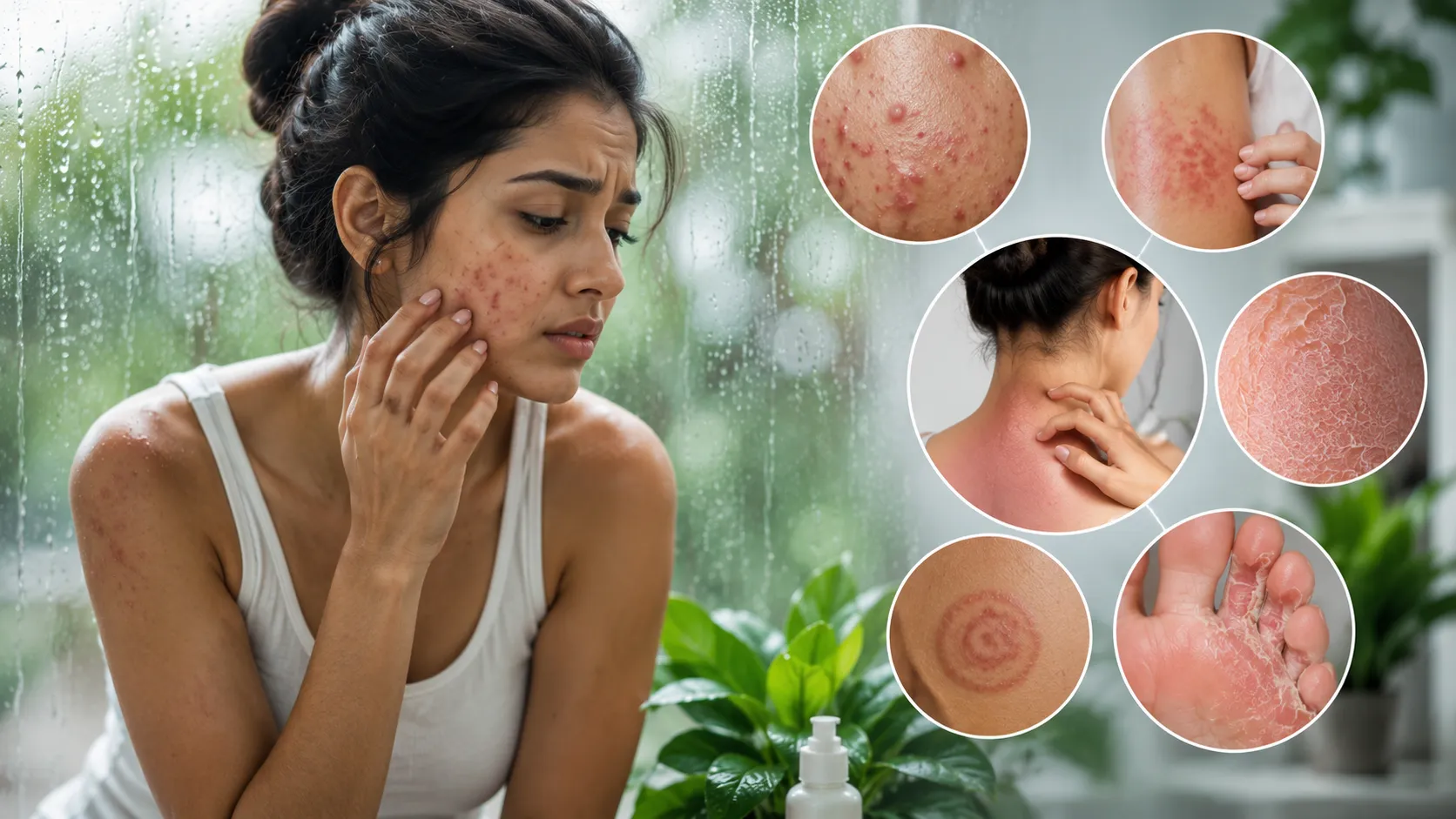
Skin Problems: Signs You Should Not Ignore During Humid Weather
Humid weather can be uncomfortable for everyone, but it can be especially challenging for your skin. Excessive sweating, increased oil production, and trapped moisture create the perfect environment for bacteria and fungi to thrive. As a result, many people experience itching, rashes, acne, fungal infections, and other Skin Problems during the rainy and summer seasons.
While some skin conditions improve with basic care, others may become serious if left untreated. Knowing the warning signs can help you seek timely treatment and prevent complications.
In this article, we’ll discuss the most common skin problems during humid weather, their causes, warning signs, and when you should consult a dermatologist.
Why Does Humid Weather Affect Your Skin?
High humidity increases sweating and prevents sweat from evaporating quickly. This creates warm, moist conditions that encourage the growth of bacteria and fungi.
Common factors that contribute to Skin Problems during humid weather include:
- Excess sweating
- Clogged pores
- Increased oil production
- Damp clothing
- Poor skin hygiene
- Allergic reactions
- Fungal growth
People with oily skin, diabetes, obesity, or weakened immunity may be more prone to skin infections.
Common Skin Problems During Humid Weather
Several skin conditions become more common during periods of high humidity.
1. Fungal Skin Infection
A Fungal Skin Infection is one of the most common skin conditions during humid weather.
It usually affects areas where sweat accumulates, such as:
- Underarms
- Groin
- Feet
- Neck
- Skin folds
Symptoms include:
- Intense itching
- Red circular patches
- Peeling skin
- Burning sensation
Early treatment helps prevent the infection from spreading.
2. Skin Allergy Symptoms
Humidity can worsen allergies caused by sweat, dust, cosmetics, soaps, or certain fabrics.
Common Skin Allergy Symptoms include:
- Redness
- Itching
- Small bumps
- Swelling
- Burning sensation
- Dry or irritated skin
If these symptoms continue for several days, medical evaluation is recommended.
3. Heat Rash
Heat rash develops when sweat ducts become blocked.
Symptoms include:
- Tiny red bumps
- Prickling sensation
- Mild itching
- Skin irritation
Heat rash is common in children but can also affect adults during hot and humid weather.
4. Acne Flare-Ups
Humidity increases oil production, making acne more likely.
You may notice:
- Pimples
- Whiteheads
- Blackheads
- Inflamed acne lesions
Keeping the skin clean and avoiding heavy cosmetic products may help reduce breakouts.
Signs You Should Not Ignore
Some Skin Problems require prompt medical attention.
Consult a dermatologist if you experience:
- Persistent itching
- Painful skin rashes
- Spreading redness
- Recurrent fungal infections
- Pus-filled lesions
- Skin discoloration
- Fever along with skin infection
- Symptoms lasting more than one week
Early diagnosis helps prevent complications and speeds up recovery.
How a Dermatologist Can Help
If home remedies fail to improve your condition, it’s time to seek professional care.
A Dermatologist in Kharagpur can accurately diagnose the cause of your skin condition and recommend personalized treatment.
Treatment may include:
- Antifungal medications
- Anti-allergy medicines
- Prescription creams
- Skin Rash Treatment
- Lifestyle advice
- Preventive skincare recommendations
Seeking early treatment often prevents recurring skin infections.
Tips to Protect Your Skin During Humid Weather
Simple daily habits can help reduce the risk of skin infections.
- Bathe regularly and dry your skin thoroughly.
- Wear loose-fitting cotton clothing.
- Change sweaty clothes promptly.
- Keep skin folds dry.
- Avoid sharing towels and personal items.
- Stay hydrated.
- Use non-comedogenic skincare products.
- Maintain good personal hygiene.
These habits can significantly reduce your chances of developing seasonal skin conditions.
When Should You Visit a Dermatologist?
You should schedule an appointment if:
- Home treatment is not working.
- The rash continues to spread.
- You experience repeated fungal infections.
- Severe itching affects your daily life.
- You notice painful or bleeding skin lesions.
- Symptoms continue for more than 7–10 days.
If you’re looking for a Dermatologist in Kharagpur or the Best Dermatologist Near Me, don’t wait until the condition becomes severe. Early consultation can help you recover faster and prevent future flare-ups.
Conclusion
Humid weather creates ideal conditions for several Skin Problems, including Fungal Skin Infection, heat rash, acne, and Skin Allergy Symptoms. While many mild conditions improve with proper hygiene and skincare, persistent symptoms should never be ignored.
Timely Skin Rash Treatment and consultation with a qualified dermatologist can help prevent complications and restore healthy skin. If you notice ongoing itching, redness, or recurring infections, seeking medical advice early is the best way to protect your skin.
Frequently Asked Questions (FAQs)
Why are skin problems more common during humid weather?
High humidity increases sweating and moisture on the skin, promoting the growth of bacteria and fungi that can cause infections and irritation.
What are common skin allergy symptoms?
Common symptoms include itching, redness, swelling, rashes, burning sensations, and small bumps on the skin.
How do I know if I have a fungal skin infection?
A fungal skin infection often causes itchy, red, circular patches with peeling skin and may spread if left untreated.
When should I visit a dermatologist?
Consult a dermatologist if your skin rash persists for more than a week, spreads rapidly, becomes painful, or does not improve with basic care.
Can humid weather worsen acne?
Yes. Increased sweating and oil production during humid weather can clog pores and lead to acne flare-ups.