Inda Local Thana More, Kharagpur

Why Early Cholesterol Test Prevents Heart Disease Risk?
Heart disease remains one of the leading causes of death worldwide, but many of its risk factors can be detected early through simple health screenings. One of the most important tests for assessing your heart health is a Cholesterol Test.
High cholesterol usually develops without noticeable symptoms, making regular screening essential. A simple blood test can reveal whether your cholesterol levels are within a healthy range and help your doctor assess your Heart Disease Risk before serious complications develop.
In this guide, you’ll learn what a cholesterol test measures, why it matters, and how it helps protect your heart.
What Is a Cholesterol Test?
A Cholesterol Test is a blood test that measures the amount of cholesterol and fats circulating in your bloodstream. It helps determine your risk of heart disease, stroke, and blocked arteries.
Doctors often recommend this test as part of routine Heart Health Screening, especially for adults above 20 years of age or individuals with risk factors such as diabetes, obesity, or high blood pressure.
Regular cholesterol testing allows early intervention through lifestyle changes or medical treatment when necessary.
What Is Included in a Lipid Profile Test?
A Lipid Profile Test provides detailed information about different types of fats in your blood.
It typically measures:
- Total Cholesterol
- LDL (Low-Density Lipoprotein) – often called “bad cholesterol”
- HDL (High-Density Lipoprotein) – known as “good cholesterol”
- Triglycerides
- Cholesterol Ratio (in some laboratories)
Each value provides important information about your cardiovascular health and helps your doctor determine your overall Heart Disease Risk.
Why High Cholesterol Is Dangerous
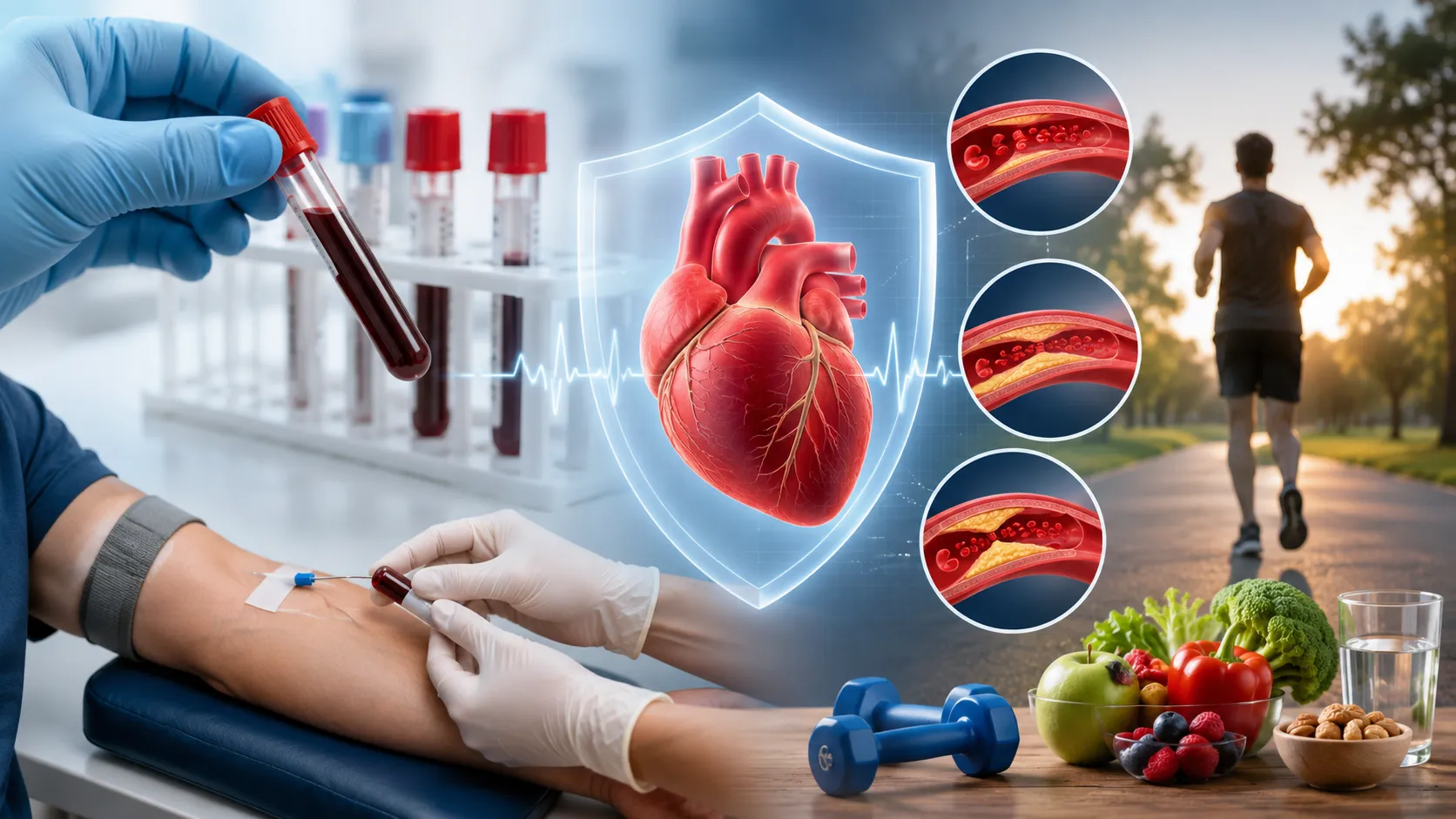
Cholesterol itself is essential for many body functions, but excessive LDL cholesterol can build up inside arteries.
Over time, this may lead to:
- Narrowing of blood vessels
- Reduced blood flow
- Heart attack
- Stroke
- Peripheral artery disease
The biggest concern is that high cholesterol often causes no warning signs until a serious medical event occurs.
Who Should Get a Cholesterol Test?
Most adults should undergo routine cholesterol screening.
A Cholesterol Test is especially recommended if you:
- Are above 20 years of age
- Have diabetes
- Have high blood pressure
- Are overweight
- Smoke
- Have a family history of heart disease
- Lead a physically inactive lifestyle
- Eat a diet high in saturated fats
If you have one or more of these risk factors, regular testing becomes even more important.
Understanding Your Heart Disease Risk
Several factors contribute to Heart Disease Risk, including:
- High cholesterol
- High blood pressure
- Diabetes
- Smoking
- Obesity
- Stress
- Family history
- Physical inactivity
A cholesterol test is only one part of a comprehensive cardiovascular assessment. Your doctor may combine it with blood pressure monitoring, blood sugar testing, and other investigations to evaluate your overall heart health.
Importance of Preventive Cardiac Checkup
A Preventive Cardiac Checkup helps identify hidden cardiovascular problems before symptoms develop.
These health checkups may include:
- Cholesterol Test
- Blood Pressure Measurement
- Blood Sugar Test
- ECG (Electrocardiogram)
- Medical Consultation
Regular preventive checkups help detect risk factors early and allow timely treatment to reduce future complications.
How Often Should You Get Tested?
General recommendations include:
- Adults above 20 years: Every 4–6 years
- Individuals with diabetes or high blood pressure: As advised by their doctor
- People with high cholesterol: Regular monitoring based on treatment
- Adults with multiple risk factors: More frequent screening
Your healthcare provider can recommend the most appropriate screening schedule based on your individual health profile.
Choosing a Reliable Diagnostic Centre
Accurate laboratory results are essential for proper diagnosis and treatment planning.
When choosing a diagnostic centre, look for:
- Qualified laboratory professionals
- Modern laboratory equipment
- Reliable quality standards
- Timely report delivery
- Preventive health packages
If you are looking for a Cholesterol Test in Kharagpur, selecting a trusted diagnostic centre ensures accurate reports and professional healthcare support.
Tips to Maintain Healthy Cholesterol Levels
Healthy lifestyle choices can significantly improve cholesterol levels and reduce your risk of heart disease.
Simple habits include:
- Eat more fruits, vegetables, and whole grains
- Reduce saturated and trans fats
- Exercise for at least 30 minutes most days
- Maintain a healthy weight
- Avoid smoking
- Limit alcohol consumption
- Manage stress
- Schedule regular Heart Health Screening
These habits support long-term cardiovascular health.
Conclusion
High cholesterol often develops silently, making routine screening one of the best ways to protect your heart. A Cholesterol Test and Lipid Profile Test provide valuable information about your cholesterol levels and overall Heart Disease Risk.
Whether you’re planning a Preventive Cardiac Checkup or looking for a Cholesterol Test in Kharagpur, early detection can help prevent serious complications such as heart attack and stroke.
Taking proactive steps today can lead to a healthier heart and a longer life.
Frequently Asked Questions (FAQs)
1. What is a Cholesterol Test?
A Cholesterol Test is a blood test that measures cholesterol and triglyceride levels to assess your risk of heart disease.
2. What is the difference between a Cholesterol Test and a Lipid Profile Test?
A Lipid Profile Test includes detailed measurements of total cholesterol, LDL, HDL, and triglycerides, while the term “Cholesterol Test” is commonly used to refer to this complete assessment.
3. How often should I undergo cholesterol screening?
Most healthy adults should have a cholesterol test every 4–6 years, while individuals with risk factors may need more frequent testing.
4. Can high cholesterol be controlled naturally?
Yes. A healthy diet, regular exercise, weight management, and avoiding smoking can help improve cholesterol levels. Some individuals may also require medication.
5. Why is a Preventive Cardiac Checkup important?
It helps detect heart disease risk factors early, allowing timely treatment and reducing the chances of heart attack and stroke.